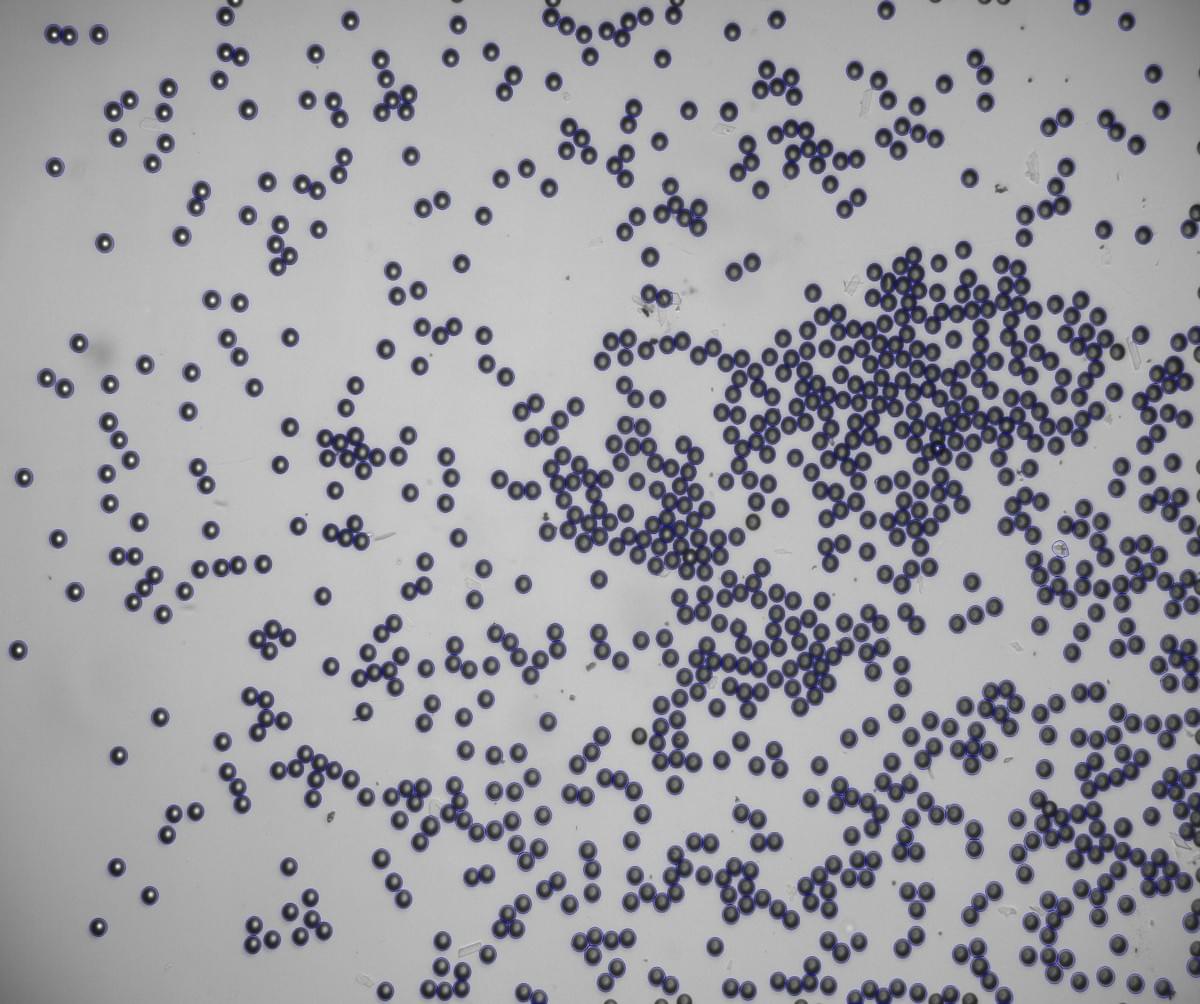
A clear image is only the beginning.
In many cell research workflows, researchers do not only need to capture images. They also need to understand what the images show.
How many cells are present?
How confluent is the culture?
How does a scratch area change over time?
How strong is the fluorescence signal?
These questions require more than visual observation. They require image analysis.
Cell analysis workflows help turn captured images into more usable information.
X-Ultra Series supports imaging and analysis workflows for cell research, including:
Cell counting
Confluence analysis
Scratch assay analysis
Fluorescence intensity analysis
Multi-channel image workflows
Batch image processing
This helps users move from image acquisition to image-based evaluation in a more connected workflow.
For example, in a confluence workflow, users may need to monitor how cells occupy the culture area. In a scratch assay workflow, users may need to evaluate changes in the scratch region. In fluorescence imaging, users may need to compare signal intensity across fields or conditions.
When imaging and analysis are handled as part of the same workflow, users can reduce manual sorting and make the process easier to manage.
This does not replace scientific judgment.
But it can help laboratories organize image data more efficiently and support more consistent image-based analysis.
For cell research, the goal is not just to capture a good-looking image.
The goal is to capture images that can support the next step: comparison, interpretation, and analysis.
Want to see how X-Ultra supports image acquisition and cell analysis?